
Introductie en historie Mercedes-Benz W126
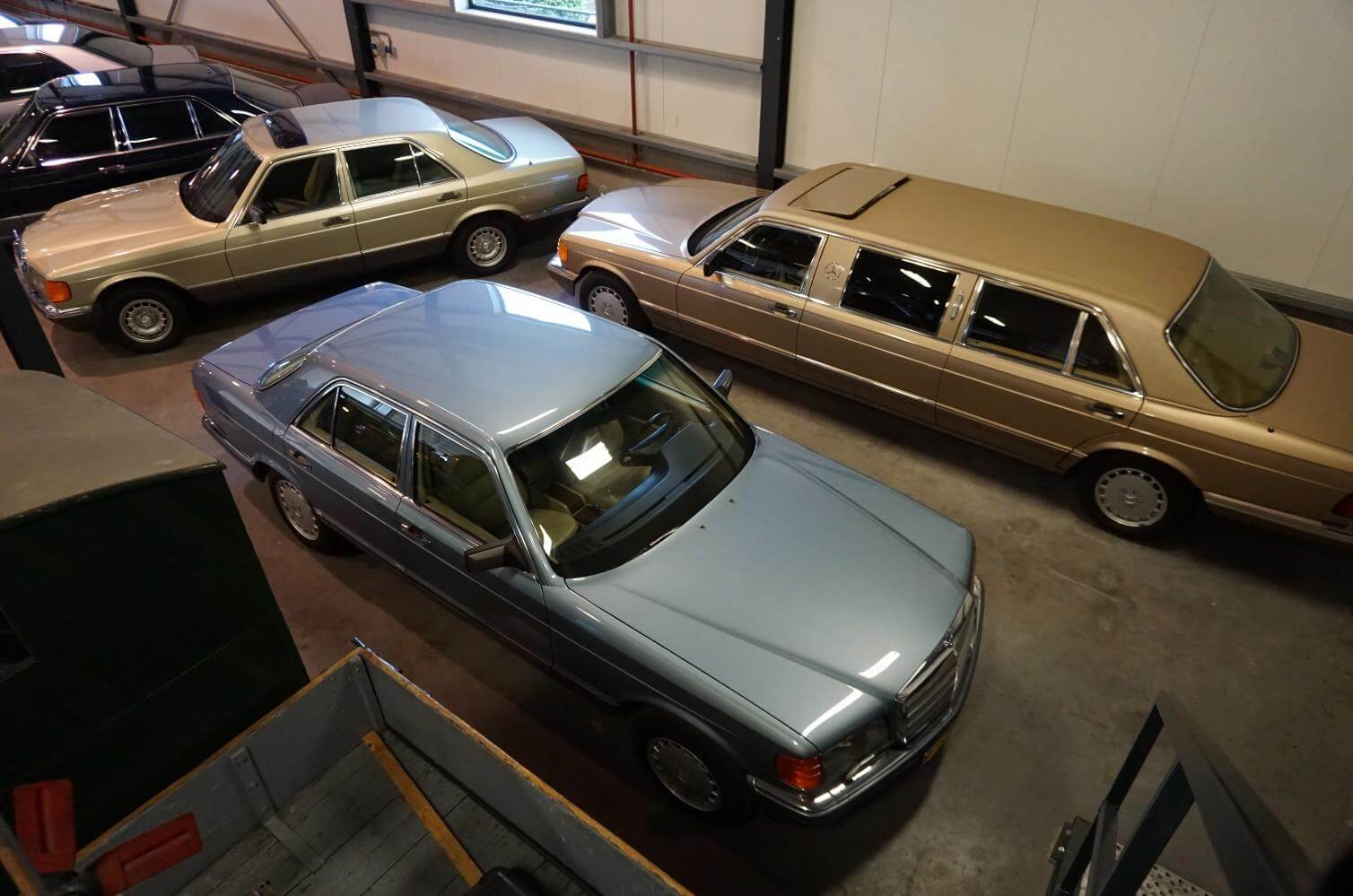
General Overview
The W126 series by Mercedes-Benz, better known as the S-Class of the 1980s, was introduced in September 1979 at the Frankfurt IAA Motor Show, replacing the previous W116 series. The W126 is widely regarded as one of the most successful and best-built S-Class generations ever produced.
It was the second generation officially designated as S-Class (Sonderklasse).
Under the direction of designer Bruno Sacco and chief engineer Werner Breitschwerdt, the W126 was developed with a strong focus on safety, comfort, aerodynamics, and fuel efficiency, while preserving the classic Mercedes-Benz character.
Key Characteristics
Safety:
Advanced crumple zone body structure.
First S-Class with optional driver airbags (available from 1981).
ABS brakes (optional from 1980s, standard from 1985 on many models).
Seatbelt tensioners.
Design:
Cleaner, more aerodynamic design than its predecessor W116.
Improved drag coefficient (around 0.36).
Polyurethane bumpers and side cladding (resistant to minor impacts).
Technology:
Extensive use of lightweight materials like aluminum (engines, suspension, body parts).
Significantly improved fuel economy compared to its predecessor.
Optional self-leveling hydropneumatic suspension on certain models.
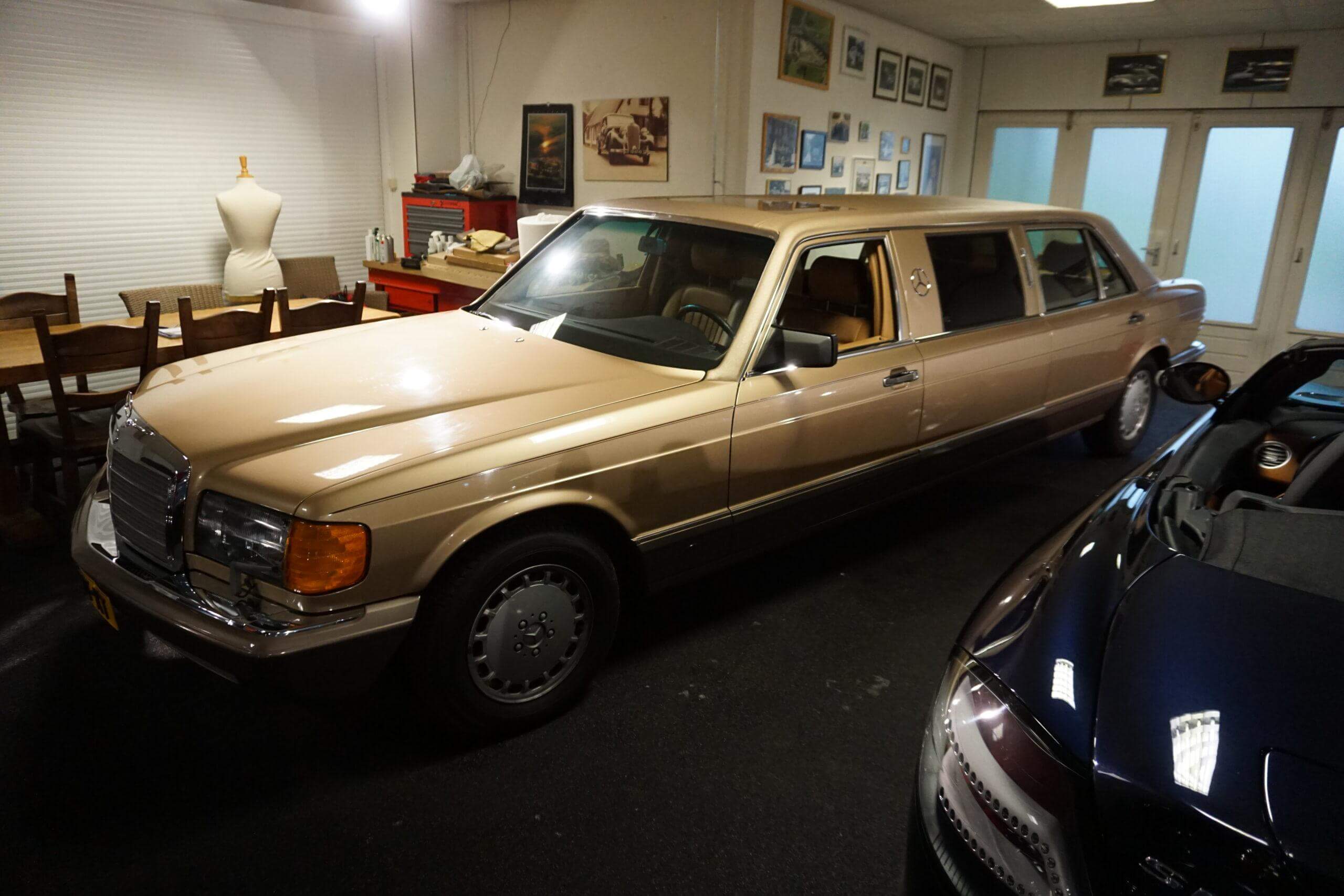
Production Period
The W126 was produced from 1979 to 1991.
The longest production run of any S-Class at that time.
A total of approximately 892,123 units were built:
818,063 sedans (SE/SEL)
74,060 coupés (SEC)
Body Styles
The W126 was available as:
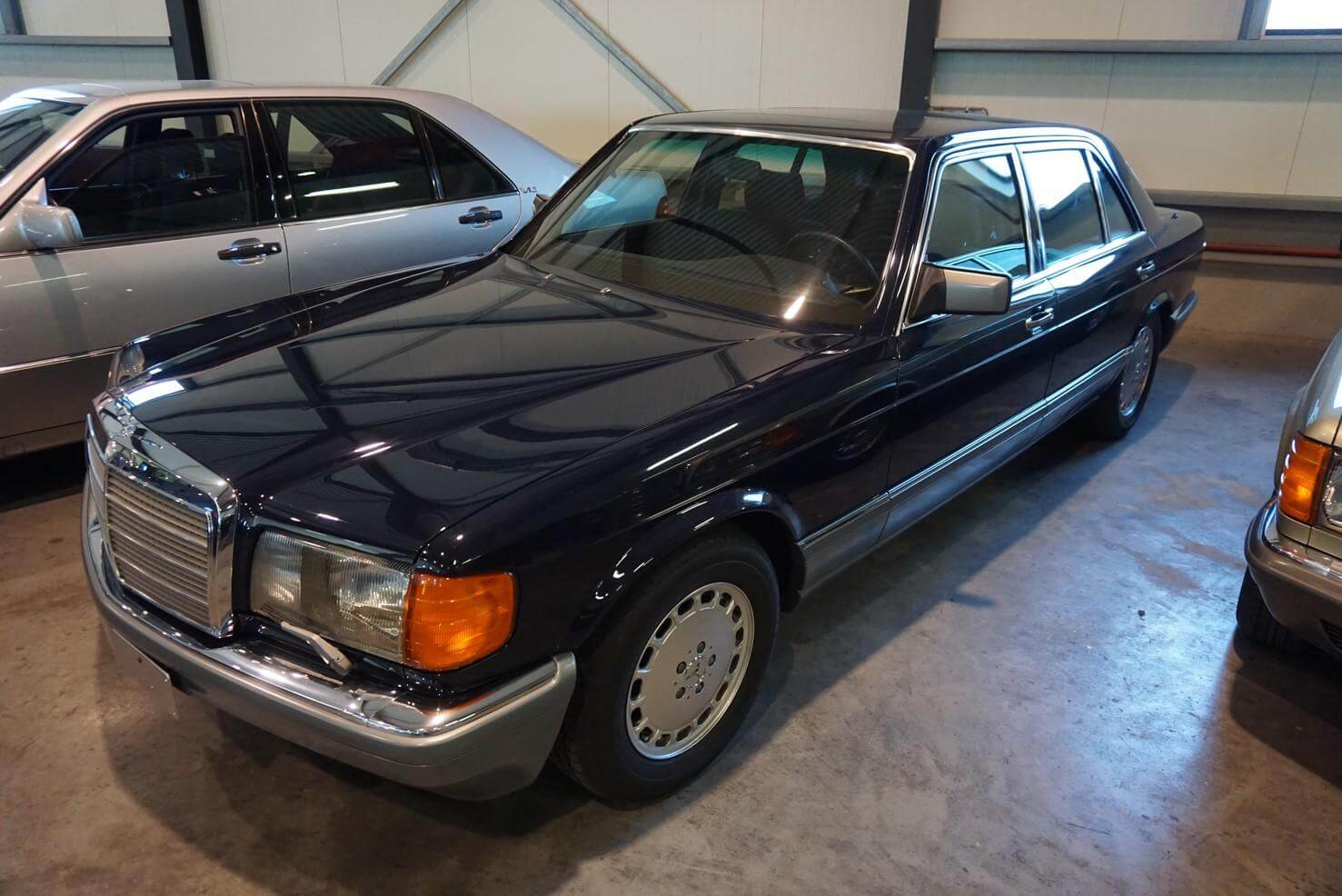
Sedan (SE / SEL):
SE = standard wheelbase
SEL = long wheelbase (+ 14 cm extra rear legroom)
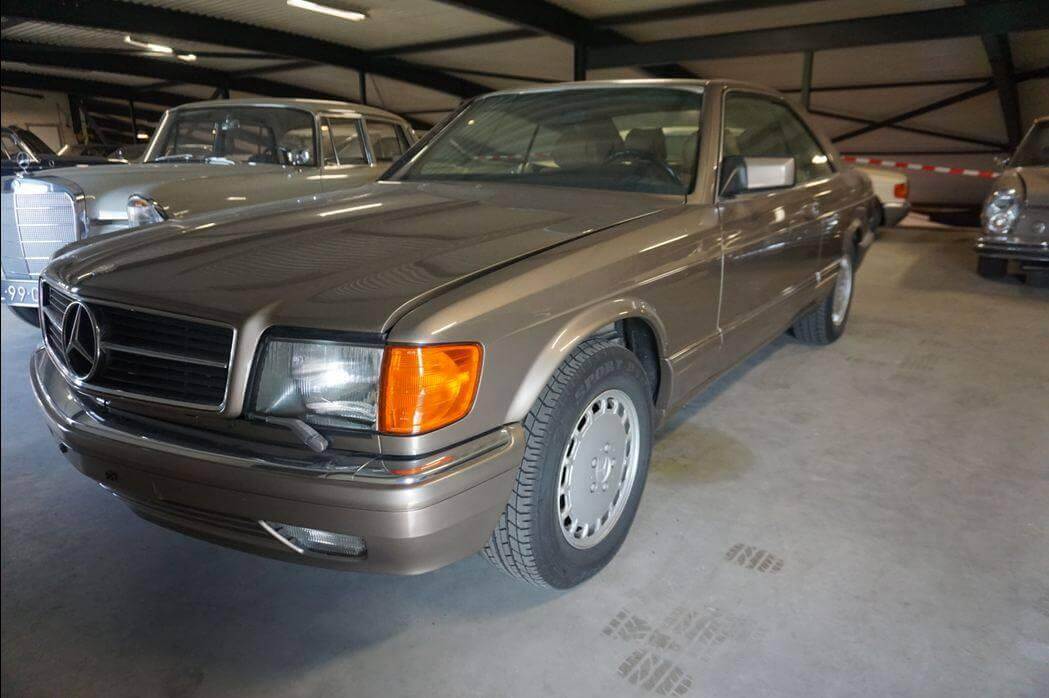
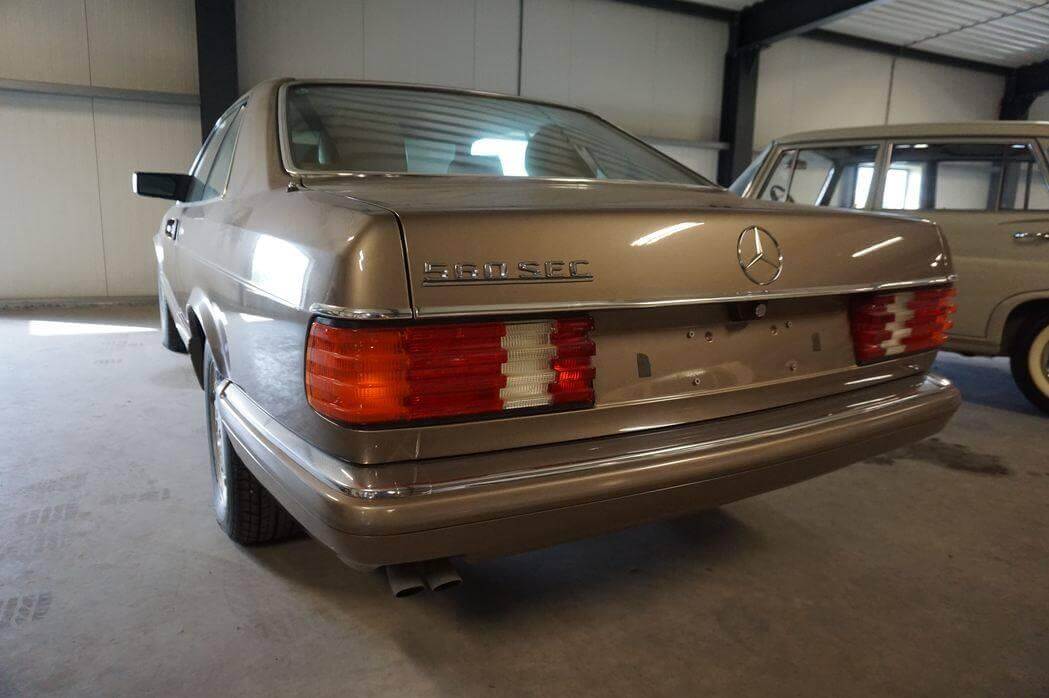
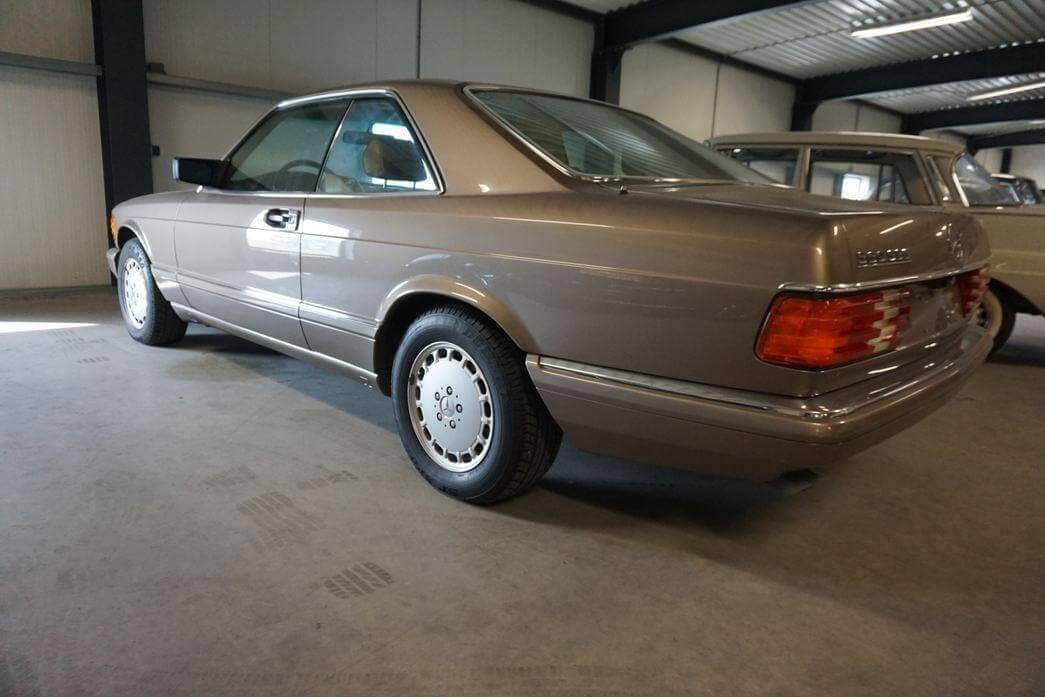
Coupé (SEC):
Introduced in 1981.
Exclusive 2-door grand touring coupe.
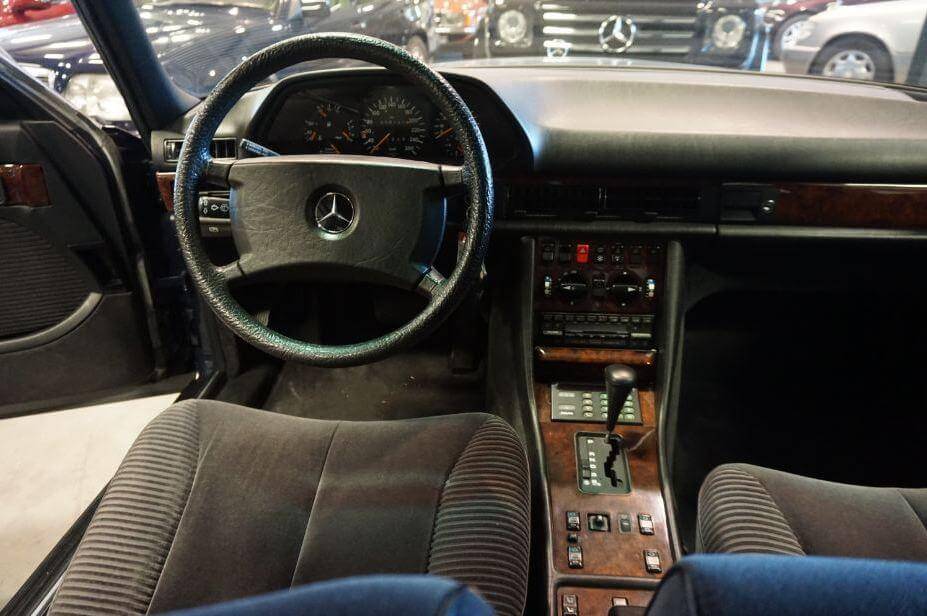
Engine Overview (Broad Summary)
Petrol Engines (M102, M103, M116, M117)
| Model | Engine | Displacement | Power |
|---|---|---|---|
| 280SE/SEL | M110 (until 1985) / M103 | 2.8L | 156–185 hp |
| 300SE/SEL | M103 | 3.0L | 188 hp |
| 380SE/SEL/SEC | M116 | 3.8L | 204 hp (Europe); 155 hp (USA with catalytic converter) |
| 420SE/SEL/SEC | M116 (later) | 4.2L | 204–218 hp |
| 500SE/SEL/SEC | M117 | 5.0L | 231–245 hp |
| 560SEL/SEC | M117 | 5.5L | 272–300 hp (market dependent) |
Diesel Engines (mainly for North America)
| Model | Engine | Displacement | Power |
|---|---|---|---|
| 300SD (1981–1985) | OM617 | 3.0L 5-cyl. turbo | 125 hp |
| 300SDL (1986–1987) | OM603 | 3.0L 6-cyl. turbo | 150 hp |
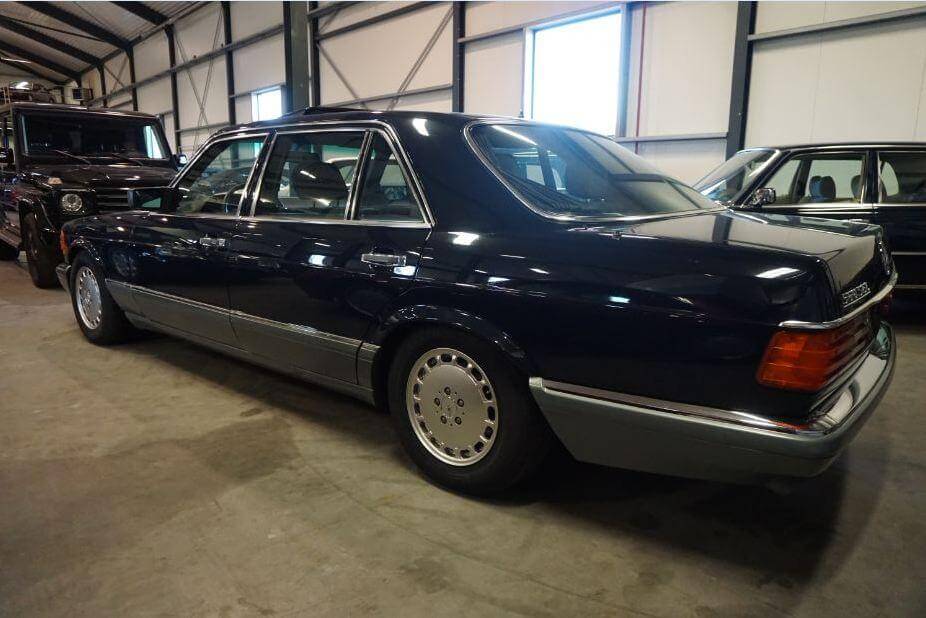
Facelift (1986 Model Year)
In 1985, Mercedes updated the W126 with a major mid-cycle refresh:
New, more powerful engines (especially M103 and optimized M117 V8).
Modernized headlamps and rear lights.
Wider body side moldings with integrated chrome strips.
Interior improvements: revised seats, updated steering wheel.
Further aerodynamic refinements.
Innovations Introduced with the W126
First S-Class with optional airbags (driver and later passenger).
Anti-lock braking system (ABS), later joined by ASR traction control.
Hydropneumatic self-leveling suspension (rear axle option).
Automatic climate control system.
Advanced KE-Jetronic fuel injection.
Position in Mercedes-Benz History
The W126 is often seen as the ultimate symbol of Mercedes-Benz excellence in the 1980s:
virtually indestructible build quality
highly advanced technology for its time
elegant yet understated design
perfect balance of driving comfort and prestige
widely used by government leaders, CEOs, diplomats, and royalty
Even today, the W126 remains highly regarded among enthusiasts for its timeless design, comfort, and legendary durability.
Production Period
The W126 was produced from 1979 to 1991.
The longest production run of any S-Class at that time.
A total of approximately 892,123 units were built:
818,063 sedans (SE/SEL)
74,060 coupés (SEC)