
A complete picture of the development, production and subsequent history of the Mercedes-Benz W140 V12.
The Mercedes-Benz W140, especially the V12 variant, holds a special place in automotive history as one of the most ambitious, over-engineered luxury sedans. Here’s an overview of its development, production, and legacy:
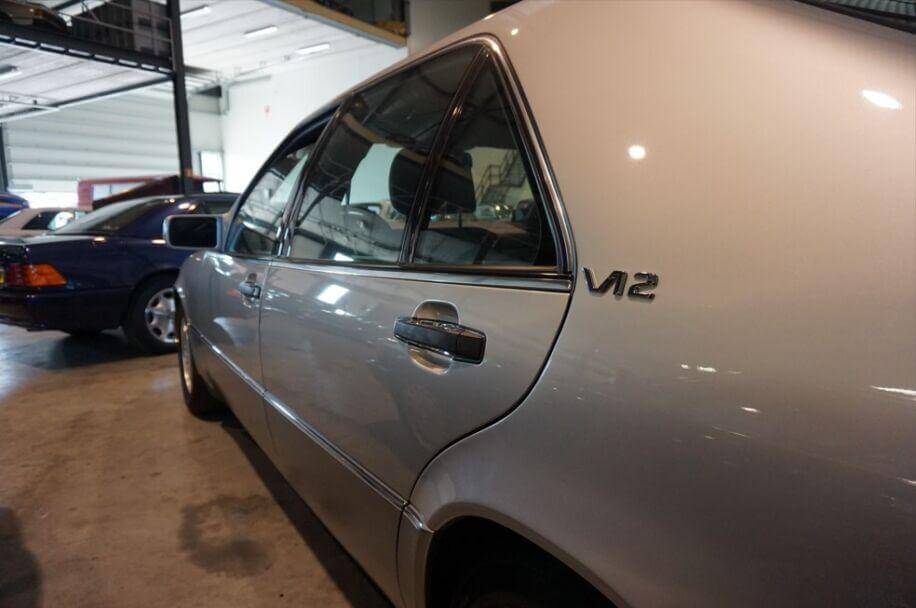
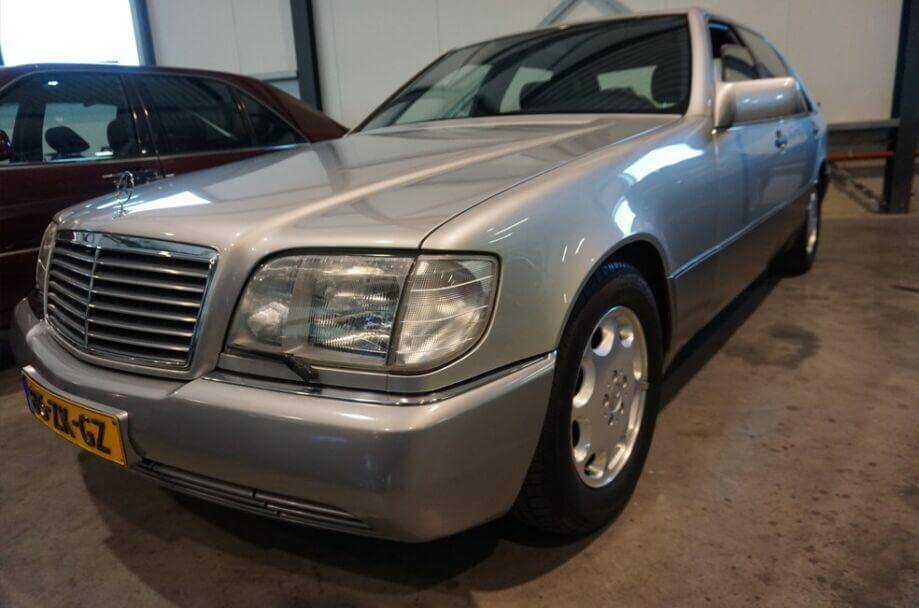
Production (1991-1998)
The W140 was manufactured from 1991 until 1998. The highlight was the 600 SEL/S600 (V12 model), which debuted in 1991. This was Mercedes’ first V12 engine, the M120—a 6.0-liter naturally aspirated V12 producing around 402 horsepower and 428 lb-ft of torque. The W140 S600 was groundbreaking at the time, boasting smooth, effortless power delivery and redefining the notion of what a luxury sedan could achieve in terms of power and refinement.
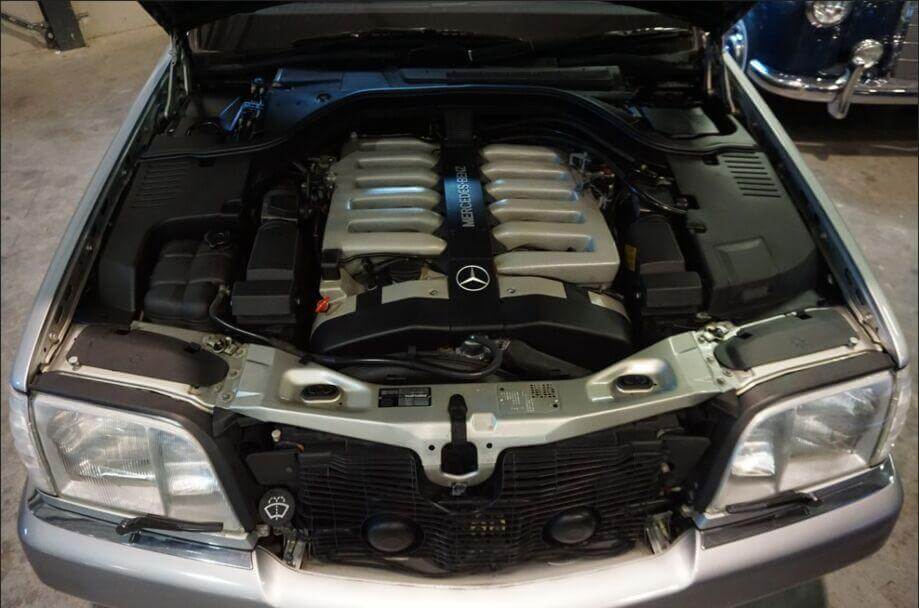
Notable production details:
- Hand-Built Engines: The M120 V12 was a complex and meticulously assembled powerplant, built to last and to provide a smooth, vibration-free experience.
- Advanced Electronics: The W140 included early applications of advanced electronics, though they were not always reliable by modern standards. Issues with electronics became more evident as the cars aged.
- Costly to Build and Buy: With high production costs, the W140 was one of the most expensive cars Mercedes had ever built, which led to a hefty price tag for buyers.
Post-Production Legacy and Influence
The W140 was succeeded by the W220 in 1999, a lighter, more fuel-efficient model, partly as a response to the W140’s weight and complexity. However, the W140 left a lasting legacy:
- Collector’s Interest: Today, the W140—especially the V12 S600 model—is highly sought after by collectors and enthusiasts due to its unique combination of engineering excellence, luxury, and understated power.
- Durability and Engineering: Many W140s, when well-maintained, are still on the road today. Their durability and the over-engineering that defined them contribute to the model’s reputation as a “bank vault on wheels.”
- Cultural Impact: The W140 became synonymous with success and prestige in the 1990s. It was famously used as a state vehicle in several countries and owned by high-profile figures worldwide.
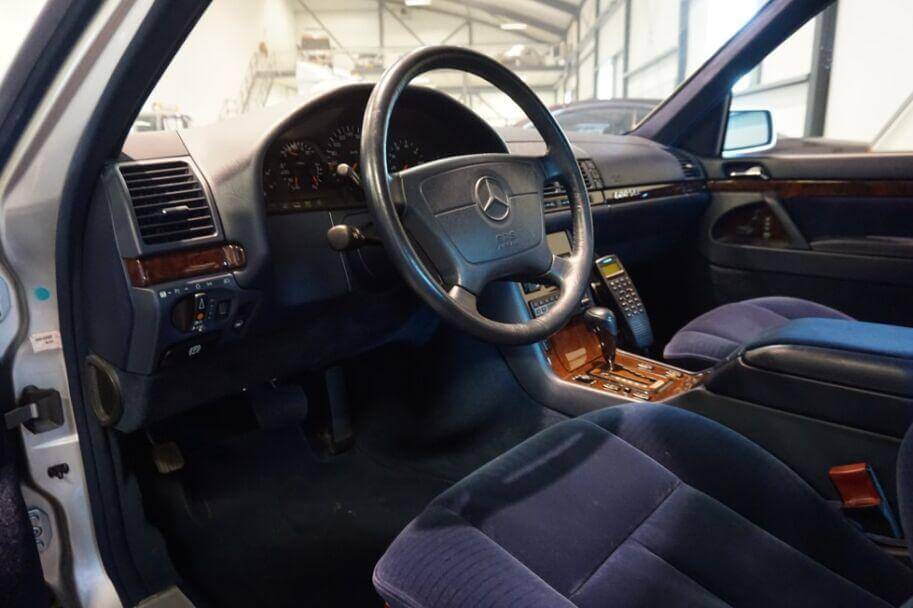
Ultimately, the W140 represents an era when luxury cars were built with uncompromised engineering ideals. It remains a beloved classic and a testament to Mercedes’ commitment to pushing the boundaries of automotive technology.